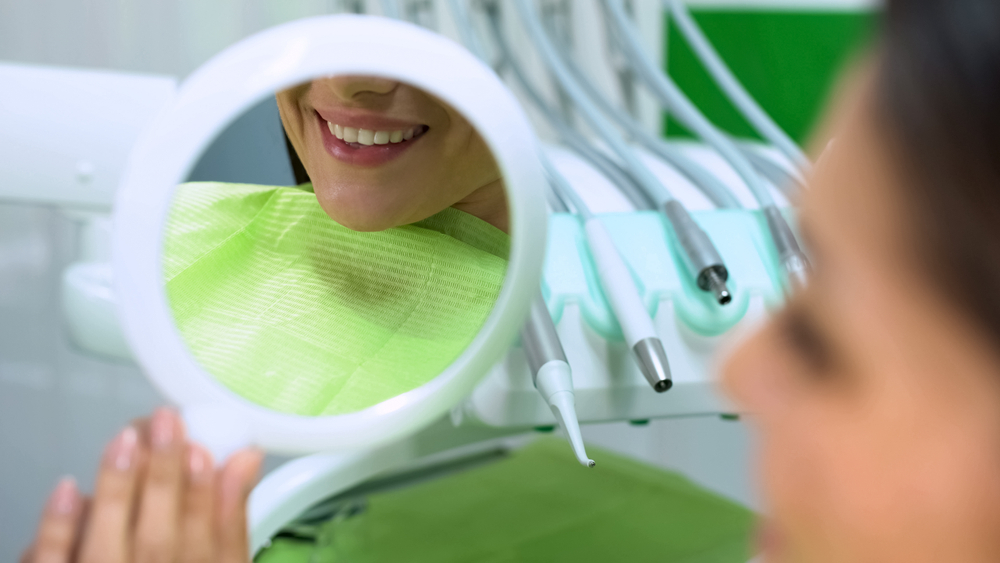
Smile correction, also known as smile rehabilitation or smile makeover, is a comprehensive set of dental procedures designed to improve the appearance and function of your teeth, lips, and gums.
Instead of focusing on a single tooth, smile rehabilitation looks at your entire facial structure to create a harmonious and natural-looking healthy smile.
Elements of Smile Rehabilitation
Smile correction combines several procedures based on your unique oral health and aesthetic goals.
The Smile Rehabilitation Process
A complete smile makeover requires a strategic, step-by-step approach to ensure long-lasting results:
Benefits of Smile Designing
Along with the visual transformation, the benefits of smile rehabilitation extend far beyond:
Teeth whitening is one of the most popular ways to enhance the appearance of a smile. However, achieving a brighter smile involves more than just aesthetics. Raising awareness about the common causes of discoloration, the importance of safe treatment methods, and the daily benefits of a bright smile helps individuals make informed and healthy choices.
Understanding the Causes of Discoloration
To understand how whitening works, it helps to distinguish between two main types of staining that affect teeth: surface stains and deep stains.
While regular brushing and professional cleanings can manage surface-level stains, deeper discoloration generally requires targeted whitening treatments to safely break down embedded pigments.
The Importance of Safe Treatment
With the wide availability of over-the-counter whitening strips, charcoal powders, and retail kits, understanding treatment safety is essential.
Many such products feature highly acidic formulas or harsh abrasives that remove surface stains by permanently wearing down protective tooth enamel. This erosion can cause lasting tooth sensitivity and expose the naturally yellow layers underneath, making teeth look darker over time.
In contrast, reliable whitening methods utilize scientifically tested ingredients that lift stains without damaging the tooth structure. Receiving professional care ensures the whitening gel is applied evenly and kept away from sensitive gums, avoiding irritation and chemical burns.
The Benefits of a Brighter Smile
The reasons for choosing teeth whitening extend far beyond simple esthetics. Persistent tooth discoloration can cause individuals to feel self-conscious, often leading them to hide their smiles during photos, workplace meetings, or casual conversations.
Successfully brightening a smile can provide a significant boost in self-esteem, helping people project greater confidence in both personal and professional interactions.
Additionally, investing time and effort into a brighter smile naturally encourages better daily oral habits. To maintain their results, individuals often become much more diligent about regular brushing, daily flossing, and staying consistent with their routine dental checkups.
Laminates and Veneers are ultra-thin, custom-made cosmetic shells bonded to the front of teeth to cover structural and aesthetic flaws.
Made of advanced feldspathic porcelain or lithium disilicate ceramics, which perfectly mimic the light-reflecting qualities of natural enamel.
They boast high stain resistance and longevity.
You want to straighten your smile: your teeth are moderately crowded, rotated, or uneven, requiring a thicker shell to visually realign the arch.
You need large structural changes: you are closing significant gaps or lengthening worn-down teeth where flush margins near the gumline are critical to avoid bulkiness.
Aesthetic restorations are dental treatments designed to repair damaged teeth that completely mimic the appearance of natural tooth structure. They seamlessly restore the natural beauty with function by restoring shape, colour, and strength to teeth affected by decay, fractures, or wear.
Main Types of Restorations
Aesthetic dental treatments vary depending on the extent of tooth damage:
Key Advantages
Aesthetic restorations offer significant benefits
Natural Look: Materials mimic the light reflection, texture, and translucency of real enamel.
Tooth Conservation: Modern techniques require far less removal of healthy tooth structure compared to traditional silver fillings.
Biocompatibility: Metal-free materials eliminate concerns regarding thermal sensitivity, corrosion, or potential metal allergies.
Strong Bonding: Chemical bonding chemically reinforces the remaining tooth, reducing the risk of future fractures.
We always take care of your smile
+91 93629 05001
- Tirunelveli – Palayamkottai Market | Melapalayam | Karaieruppu
- Chennai – Kodambakkam
- Kanyakumari – Kuzhithurai Junction
Copyright © 2026 All Rights Reserved.