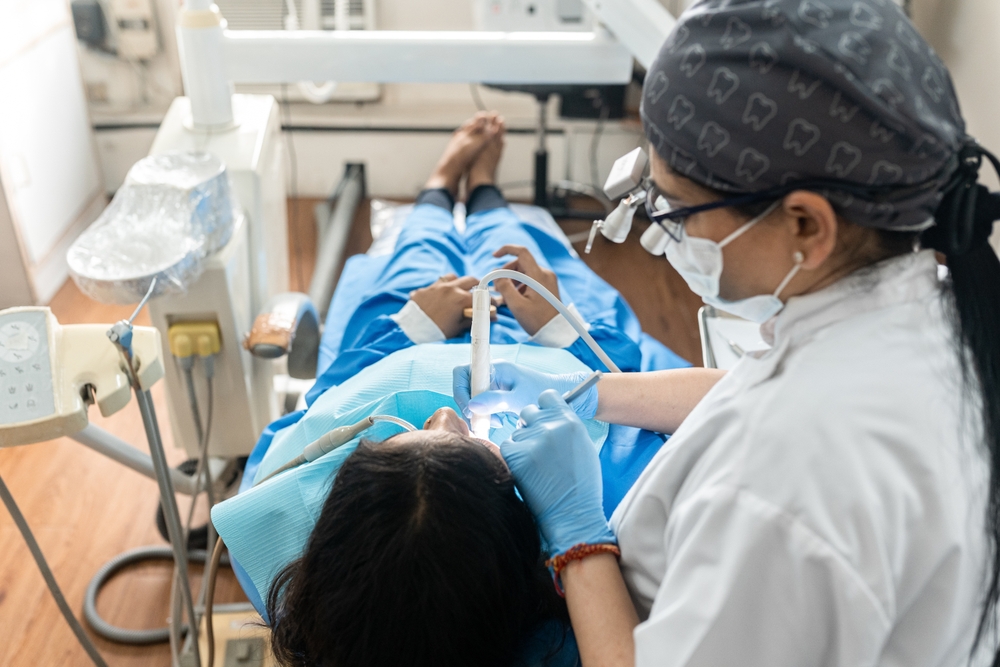
A root canal treatment is a routine dental procedure used to save a severely decayed, infected, or damaged tooth rather than extracting it.
Inside every tooth is a soft tissue area called the pulp, which contains nerves, blood vessels, and connective tissue.
When this pulp becomes inflamed or infected—due to deep decay, or trauma to the tooth—it must be removed to prevent the infection from spreading.
Why a Root Canal is Necessary?
When the pulp of a tooth becomes infected, it cannot heal on its own. Leaving a damaged tooth untreated can lead to severe health complications
Therefore, a root canal procedure provides:
1. Complete Pain Elimination
Modern techniques and effective local anaesthetics make this a painless procedure, similar to a standard cavity filling. Removing the infected nerve and clearing the infection permanently removes the source of the toothache.
2. Prevention of Teeth Shifting
When a tooth is extracted, a gap is left behind. Over time, the surrounding teeth naturally drift and tilt into that open space. This shifting disrupts the bite alignment, creates hard-to-clean spaces where plaque builds up, and can eventually lead to jaw joint strain (TMJ disorders) or additional tooth loss. Doing root canal treatment and serving the particular teeth prevents such consequences
3. Maintenance of Jawbone Structure
Natural tooth roots stimulate and maintain the bone density of your jawbone through the physical pressure of chewing. Extracting a tooth removes this stimulation, causing the surrounding bone to slowly resorb (deteriorate) over time. A root canal treatment preserves the root, maintaining bone structure and facial contours.
4. Cost-Effective and Efficient Long-Term Solution
While an extraction might seem cheaper upfront, replacing the missing tooth with a dental bridge or implant requires significantly more time, money, and invasive dental visits. A root canal followed by a dental crown protects your original tooth for a lifetime with proper oral hygiene.
A root canal procedure safely removes internal infection to completely stop tooth pain, preserve your natural bite structure, and protect your jawbone from long-term damage.
We always take care of your smile
+91 93629 05001
- Tirunelveli – Palayamkottai Market | Melapalayam | Karaieruppu
- Chennai – Kodambakkam
- Kanyakumari – Kuzhithurai Junction
Copyright © 2026 All Rights Reserved.