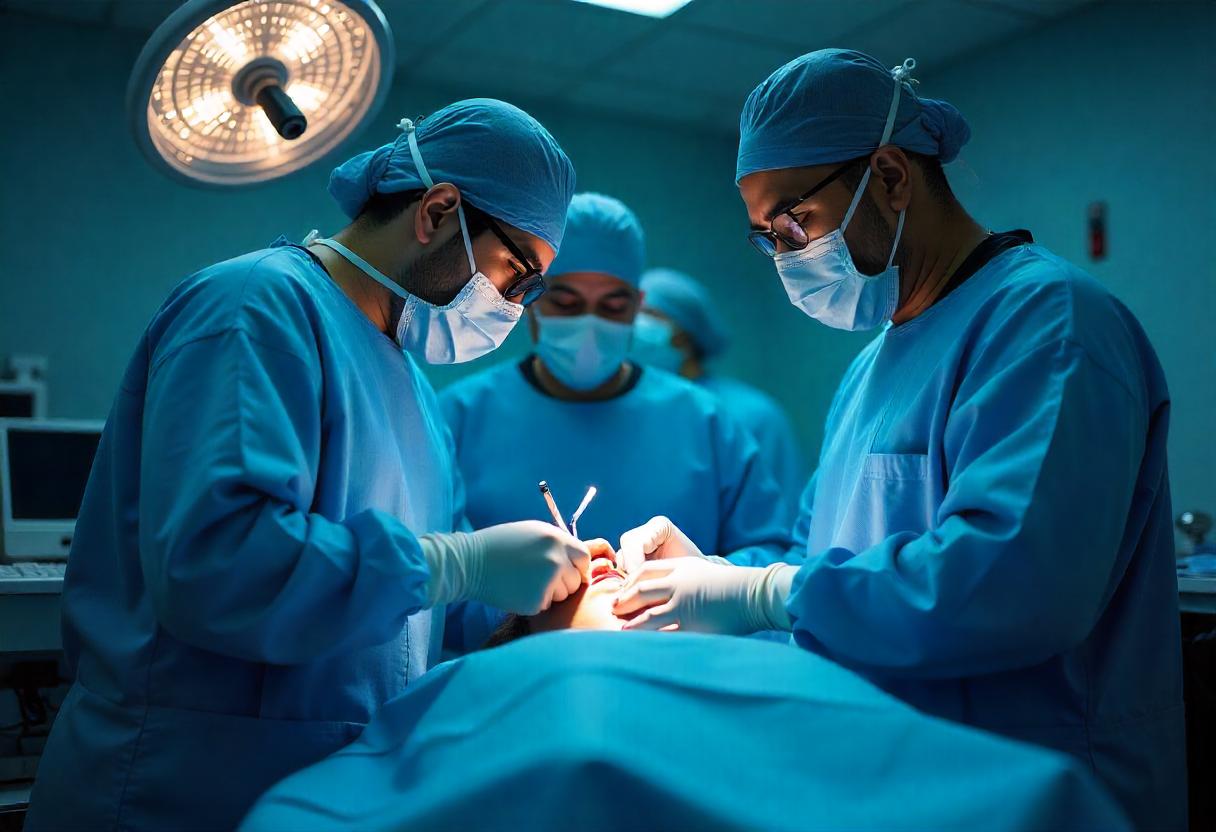
Protecting your natural teeth is always the primary goal of modern oral healthcare. However, there are instances where removing a tooth is the healthiest and most necessary choice to preserve your overall well-being.
Why Are Teeth Extracted?
A dental extraction simply means the intentional, safe removal of a tooth from its socket in the jawbone. This procedure is typically recommended when a tooth is too severely damaged to be saved by alternative treatments like root canals or crowns.
The most common reasons for an extraction include:
When a dental issue extends beyond the teeth and gums to involve the complex structures of the face, jaw, and neck, it falls into the specialized realm of maxillofacial surgery.
This highly advanced discipline bridges the gap between medicine and dentistry.
Raising your awareness about these specialized procedures will help you understand how surgical interventions can correct structural abnormalities, alleviate chronic pain, and dramatically improve both your daily facial function and appearance.
One of the most life-changing procedures within this specialty is corrective jaw surgery, clinically known as orthognathic surgery. This treatment is designed for individuals whose upper and lower jaws do not align properly, creating a severe bite mismatch that cannot be fixed with standard orthodontics alone.
When the jaws are structurally misaligned, it can lead to chronic chewing difficulties, severe speech impediments, accelerated tooth wear, and intense jaw joint pain. A maxillofacial surgery can precisely reposition the upper jaw, lower jaw, or chin to create a balanced, harmonious skeletal relationship.
This surgical alignment not only restores ideal chewing function and relieves strain on the joints but also enhances your natural facial symmetry and profile.
Maxillofacial surgeons are uniquely trained to manage complex facial injuries resulting from accidents, sports impacts, or physical trauma.
Facial fractures involving the jawbones, cheekbones, or eye sockets require meticulous surgical care to ensure the bones heal in their exact, correct positions without disrupting your bite or facial structure.
In addition to treating acute trauma, this surgical specialty plays a vital role in reconstructive surgery following the removal of cysts or tumours within the jaws. Using advanced bone grafting techniques and biocompatible materials, surgeons can completely rebuild missing bone sections, restoring the necessary structural foundation for future dental implants and prosthetic teeth.
While minor tooth extractions are handled in a general dental setting, complex surgeries—such as deeply trapped, impacted wisdom teeth positioned dangerously close to major facial nerves—are routinely referred to a maxillofacial surgeon. Their specialized training ensures these delicate procedures are completed safely and comfortably under advanced sedation.
Furthermore, maxillofacial surgery offers effective solutions for severe obstructive sleep apnea. When conservative treatments like breathing masks fail, a surgeon can perform procedures to widen the airway, such as advancing the jawbones forward. This structural adjustment permanently clears the airway obstruction, allowing patients to breathe effortlessly and enjoy deep, restorative sleep.
We always take care of your smile
+91 93629 05001
- Tirunelveli – Palayamkottai Market | Melapalayam | Karaieruppu
- Chennai – Kodambakkam
- Kanyakumari – Kuzhithurai Junction
Copyright © 2026 All Rights Reserved.